Pages

Subscribe:

Ads 468x60px

Showing posts with label nutrition. Show all posts

Wednesday, 8 June 2016

10 Foods To Boost Your Brain Power

Eating well is good for your mental as well as your physical health. The brain requires nutrients just like your heart, lungs or muscles do. But which foods are particularly important to keep our grey matter happy?

1. Opt for wholegrains
Like everything else in your body, the brain cannot work without energy. The ability to concentrate and focus comes from the adequate, steady supply of energy - in the form of glucose in our blood to the brain. Achieve this by choosing wholegrains with a low-GI, which release glucose slowly into the bloodstream, keeping you mentally alert throughout the day. Opt for 'brown' cereals, wheatbran, granary bread and brown pasta.

2. Eat oily fish

Essential fatty acids (EFAs) cannot be made by the body and must be obtained through diet. The most effective omega-3 fats occur naturally in oily fish as EPA and DHA. Good sources include linseed (flaxseed) oil, soya bean oil, pumpkin seeds, walnut oil and soya beans. They are good for healthy brain function, the heart, joints and general wellbeing. Oily fish contains EPA and DHA in a ready-made form, which enables the body to use it easily. The main sources of oily fish include salmon, trout, mackerel, herring, sardines, pilchards and kippers. Low DHA levels have been linked to a higher risk of developing Alzheimer's disease and memory loss.

3. Binge on blueberries

Evidence accumulated at Tufts University in the United States suggests that the consumption of blueberries may be effective in improving or delaying short term memory loss. Widely available, so there's no excuse.

4. Eat more tomatoes

There is good evidence to suggest that lycopene, a powerful antioxidant found in tomatoes, could help protect against the kind of free radical damage to cells which occurs in the development of dementia, particularly Alzheimer's.

5. Add vitality with vitamins

Certain B vitamins - B6, B12 and folic acid - are known to reduce levels of homocysteine in the blood. Elevated levels of homocysteine are associated with increased risk of stroke, cognitive impairment and Alzheimer's disease. A study of a group of elderly patients with mild cognitive impairment found that after two years of intervention with high doses of B6, B12 and folic acid there was significantly less brain shrinkage compared to a subset given placebo treatment.
Blackcurrants

6. Get a blackcurrant boost

Vitamin C has long been thought to have the power to increase mental agility. One of the best sources of this vital vitamin are blackcurrants.

7. Pick up pumpkin seeds

Just a handful of pumpkin seeds a day is all you need to get your recommended daily amount of zinc, vital for enhancing memory and thinking skills.

8. Bet on broccoli

A great source of vitamin K, which is known to enhance cognitive function and improve brainpower.

9. Sprinkle on sage

Sage has long had a reputation for improving memory and although most studies focus on sage as an essential oil, it could be worth adding fresh sage to your diet too.

10. Go nuts

A study published in the American Journal of Epidemiology suggests that a good intake of vitamin E might help to prevent cognitive decline, particularly in the elderly. Nuts are a great source of vitamin E along with leafy green vegetables, asparagus, olives, seeds, eggs, brown rice and wholegrains.

Walnuts


Source:bbcgoodfood.com/howto/guide/10-foods-boost-your-brainpower

Tuesday, 12 January 2016

4 Ways Walking Adds Years To Your Life

Want to know the best workout for a longer, healthier future? You don't need a fancy gym or pricey trainer: A growing body of research proves that slipping on a pair of sneakers and going for a stroll is a great way to squeeze more quality years into your time on this planet. And you don't have to commit hours a day to benefit. According to a study published in the journal PLoS Medicine, walking for 11 minutes a day is enough to extend your lifespan by 2 years. Meanwhile, research from Australia's University of Sydney shows swapping one hour of sitting for an hour ofwalking can slash your risk of early death by about 14%—that could mean roughly 9 additional years!
 
Need even more motivation to start stepping? Read on to learn about the different ways this simple form of exercise can turn back the clock.

1. It counteracts the damage caused by sitting.

You've already heard that staying seated for long stretches can slow your circulation, raising your risk for heart disease, diabetes, and other chronic health issues. But even a short stroll can counteract these harmful effects. In study published in the journal Experimental Physiology, researchers found that people who sat at a desk for 6 hours experienced reduced blood flow in their legs—and a 10-minute stroll was enough to reverse the effect.
 
For even more benefits, stretch your legs at least every hour. Researchers from the University of Utah School of Medicine that people who did a light-intensity activity, such as walking, for 2 minutes each hour had a 33% lower chance of dying during the study than those who didn't.

2. It safeguards your heart.

Walking gets your blood pumping, strengthening your ticker with each step. It can also help you blow off steam and reduce the amount of stress in your life, says James O'Keefe, MD, a cardiologist and professor of medicine at the University of Missouri-Kansas City. “Walking may protect your heart by as much as running.” In fact, Harvard scientists found that strolling for at least 3 hours a week can reduce your odds of heart attack and cardiac death by 35%.

3. It puts you on a path to a healthy weight.

An hour of brisk walking can torch up to 460 calories, making it an effective slim-down weapon. What's more, it can target the most harmful form of fat: Regular stepping can help shrink belly fat and increase insulin sensitivity, two precursors to diabetes. In fact, research shows that a 30-minute stroll a day can reduce your risk of developing type 2 diabetes by about 30%, while a one-mile daily walk lowers diabetics' odds of dying from the disease by 39%.

4. It can help your body repair its DNA. 

Walking and other forms of exercise can help put the brakes on the aging process. In a study from Germany's Saarland University, researchers found that regular walking increases activity of telomerase, an enzyme that helps the body mend its DNA. This effect could help you live longer, says study author Sanjay Sharma, MD. He estimates that just 25 minutes of brisk walking or slow jogging a day could buy you 7 additional years of life.
 

And that my friends are some of the reasons I am the biggest fan of walking daily :)

Walking helps maintain a healthy weight


Source: prevention.com/fitness/4-ways-walking-adds-years-to-your-life

Monday, 19 October 2015

What To Expect From Your Body During Your 30's

Your 30s and your 40s are a time during which your hormones tend to balance out. This means most of the changes that happen to your body are influenced by lifestyle choices, explains Jane Mitchell, a nutrition and weight loss expert, and founder of Jane Plan - a diet delivery service.

You lose muscle tone.

According to Jane the process of muscle atrophy, which is basically when the muscles shrink, begins in your 30s, although it is more pronounced in later life.
She says: 'At this point a lot of women start looking in the mirror and thinking "I'm not as a toned as I used to be"'.

She recommends adding resistance training or weight lifting to your exercise plan to help tackle muscle shrinkage.
Stress at work will cause weight gain
'There is a myth that women start to gain weight during this time,' says Jane, 'But this depends more on your lifestyle than your age.'

The nutrition expert says that women who are still working are likely to spend a lot of time at their desk and have a sedentary lifestyle, which can be conducive to an expanding waistline.
 Women who have children later than their 30s often say they never get their pre-baby stomach back and this gets worse the longer you leave it to have a child
What's more, high stress levels can cause a reactionary release of hormones encouraging you to store weight around the middle
She explains: 'When we are stressed our fight or flight hormones kick in, which make the body think "I should protect myself" and so you store weight around the vital organs. This is what causes the weight gain in the middle.'
Your face becomes slimmer and more angular 
Dr Maryam Zamani an ophthalmologist, oculoplastic surgeon and leading aesthetic doctor says that a woman's face will be come noticeably thinner in your 30s.
She explains: 'Women experience volume loss in the mid face and chin because we are producing less collagen. The face can become more angular and slim, which can also look ageing.' 

Your body stops bouncing back.

As your metabolism slows down your body will take longer to bounce back, says Jane, but this is most noticeable when it comes to pregnancy.
'Women who have children later than their 30s often say they never get their pre-baby stomach back and this gets worse the longer you leave it to have a child,' Jane explains.
She says stay-at-home mums are in the most fortunate position to get back to their post-baby weight as they will be active at home running after children, while women who return to work soon after giving birth will struggle the most.
'If you have just had a baby and you're back at work you will be stressed and pushed for time so you'll be grabbing food to eat and probably not having much time to exercise.

'That's when a lot of women struggle with weight issues.' 


Watch out for the next post - What to expect from your body during your 40's 


As you become settled in your career your lifestyle becomes more sedentary, which can lead to weight gain


Source: dailymail.co.uk/femail/article-3269613/What-expect-body-decade-20s-50s-combat-it.html#ixzz3p174QG1b

Wednesday, 19 August 2015

Alternatives To Drinking Diet Coke


ALTERNATIVES TO DIET COKE


  • Look for stevia (a natural sweetener) versions of soft drinks if you really must drink a soft drink.

  • Drink plain mineral water with fresh lime or lemon juice or both with a dash of organic honey, if you prefer a sweeter taste, as a very healthy and hydrating drink.

  • Drink green tea if you want the effects of caffeine without the jitters. L-theanine in green tea is the antidote to caffeine's negative effects on the nervous system and it also boosts 'alpha waves in your brain'

  • Drink Kombucha or Kefir tea. They are both naturally fizzy and Kefir tea in particular can provide a dose of probiotics for promoting better digestion and health of your gut.

  • Learn to make or buy nutritious smoothies made out of green vegetables like spinach, low sugar fruits like blueberries and tasty ingredients like coconut butter that are full of essential nutrients and health promoting fatty acids.  


Source: dailymail.co.uk/femail/food/article-3184770/Now-DIET-Coke-does-body-Infographic-reveals-fizzy-drink-makes-store-fat-rots-teeth-effects-like-cocaine-just-ONE-HOUR.html#ixzz3jBDnVlC1

Wednesday, 8 July 2015

Strawberry Lime Popsicles

Fresh fruit popsicles are an easy way to enjoy the summer's freshest produce. This refreshing combination of strawberries and lime is very low in calories, and is also an excellent source of vitamin C.

Ingredients:

  • 2 cups fresh or frozen whole California strawberries
  • 1 cup water or lemonade
  • Juice of 1 lime
  • 1/4 cup sugar (optional)
  • 4 cups ice cubes
  • 1/2 cup California strawberry slices, for garnish

Directions:

1. Combine strawberries, water, lime juice, sugar, and ice cubes in blender with a lid. Blend at high speed for about 1 minute or until all ingredients are crushed and mixed well.
2. Divide mixture among 12 4-ounce popsicle molds or cups.
3. Garnish each cup with a few strawberry slices.
4. Freeze for about 4 hours or until completely frozen

Strawberry Lime Popsicles


Source:shape.com/healthy-eating/healthy-recipes/10-diet-friendly-frozen-dessert-recipes/strawberry-lime-popsicles

Thursday, 2 July 2015

The under 16s battling high blood pressure

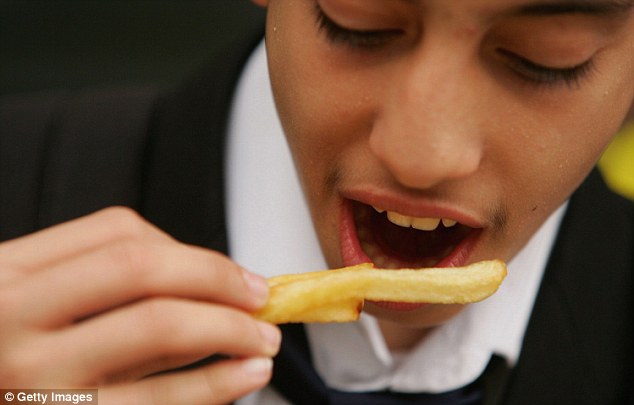
Admissions treble in ten years amid concerns children are eating too much salt


  • Admissions include almost 400 children under five, figures reveal
  • 1,064 under-16s admitted to hospital for high blood pressure in 2012-14
  • Other research shows half of seven-year-olds have too much salt in diet
  • Children of this age are only meant to eat a maximum of 5g of salt a day


Rising numbers of children are being treated in hospital for high blood pressure over concerns they are eating too much salt, figures reveal.
Admissions have trebled in the last ten years and include almost 400 children under five.
The figures, obtained by Channel 4’s Dispatches from 29 NHS trusts, show that 1,064 children under 16 were admitted to hospital for high blood pressure between 2012 and 2014.


Salt concerns: Some 1,064 children under 16 were admitted to hospital for high blood pressure between 2012 and 2014, figures show (file picture)


Of the trusts who broke admissions down into age groups, 391 children were aged 0 to five, 197 six to ten and 429 11 to 16.
And data from ten NHS trusts going back a decade show admissions have trebled in that time, showing that a total of 153 children were admitted and treated in 2014, compared to just 49 in 2004.

The hospitals could not confirm whether the high blood pressure was caused by excess salt or obesity, and in some cases it may be due to conditions affecting the kidneys or heart. 
But separate research found that half of all seven-year-olds have too much salt in their diet.
Children of this age are only meant to eat a maximum of 5g of salt a day – but a quarter were found to be consuming more than 6.7g.

The study by the University of Bristol tracked 6,000 children from the ages of seven through to 15 and found much of the salt came from processed foods such as pizza.
Salt intake in childhood has medium and potentially long-term effects on cardiovascular health
Dr Kate Northstone, University of Bristol senior research fellow
It also showed that the children who exceeded the recommended salt intake all had high blood pressure at the ages of seven, nine, and 15 – by which stage it was two points above average.
This difference in adults is linked to an increased risk of heart attacks and strokes.
Dr Kate Northstone, senior research fellow who was involved in the study said: ‘We were able to look over time, so can show that salt intake in childhood has medium and potentially long-term effects on cardiovascular health.’
The Dispatches documentary also revealed that out of the 73 food companies that signed up to a voluntary Government pledge to cut salt levels, just 12 have actually met the targets set.


Source:dailymail.co.uk/health/article-3142397/The-16s-battling-high-blood-pressure-Admissions-treble-ten-years-amid-concerns-eating-salt.html#ixzz3ejdznEyo 


Saturday, 20 June 2015

WHAT TO EAT AFTER A BOOZY WEEKEND

Whether you're still hungover or just feeling weakened by the damaging effects of a boozy weekend, we've got some nutritionist approved advice for feeling like yourself again.
You went hard, you're feeling more than a bit peaky, your head feels like a small animal may be burrowing a new home in it - what do you eat?
LEMON WATER
As much as you may be tempted by a can of coke, try to resist the urge and opt instead for a glass of lemon water. This will kick start your metabolism and most importantly start the much needed rehydration process.
EGGS ON TOAST
If you can face food, you can't go wrong with eggs and wholegrain toast. Eggs are rich in the amino acid cysteine which is needed to break down acetaldehyde - the nasty thing that's thought to cause hangovers.
The wholegrain bread will give you slow release carbs - a stable source of glucose and energy which will do you much better than that coke.
BERRY SMOOTHIE
If you're not ready for solid food, try a fruit smoothie full of antioxidants. This will give you hit of energy from the fructose and continue to rehydrate you.

WHAT TO EAT THE NEXT EVENING

It is essential to take in both protein and nutrients. Make sure you're meal is packed with leafy greens to up your magnesium levels.
MAGNESIUM
For every molecule of sugar that slips past your lips, it takes 54 molecules of Magnesium to process it so if you went hard on the cocktails, kale will help.
PROTEIN
If you're a vegetarian you may also want to through some lentils and beans into the mix to keep protein levels up (full of those helpful amino acids). These are also good for the heart and recent research has found that the impact of drinking may be even worse for the heart than the liver.
COCONUT WATER
Wash it all down with some coconut water - it's full of electrolytes and is much healthier than a Lucozade.

WHAT TO EAT THE FOLLOWING DAY

There are recommendations to not drink again until at least 48 hours after you've had any alcohol, however new research has found that in terms of the impact on the body you need weeks not days to fully recover.
POTASSIUM
It's very important to keep hydrating for the following days and if you suffer from terrible hangovers and are still feeling a bit weak, it's essential to keep eating well. So start the day with a banana and up your potassium levels, this will help with mood boosting and fatigue.
ZINC
Even if you're not feeling sick anymore, you'll likely still be tired and lacking in concentration so add pumpkin seeds to your salad for some brain enhancing zinc.

WHAT TO EAT ALL WEEK

If you're feeling run down after going hard, now is the time to have some orange juice. Avoid OJ the next morning as it will give your liver even more work to do.
VITAMIN C
Later on in the week though, your body will be glad of the Vitamin C as alcohol consumption has been linked to a lowered immune system.
You should also avoid spicy foods until your stomach has recovered so now's the time to start boosting the metabolism with chilli again.
We chatted to NutriCentre's head nutritionist, Shona Wilkinson to get this advice.


Image result for hangover


Source:womenshealthmag.co.uk/nutrition/happy-hour/3023/what-to-eat-after-a-heavy-weekend-when-you-re-hungover#ixzz3dDUa8OV5

Monday, 18 May 2015

The Dreaded Cellulite and Holidays

Yes it's getting to that time of year when I must dig out my bikini and make sure it still fits before baring myself beside the pool.

One of my worries each year, is how much cellulite I have gained over the winter months (aswell as pounds!).

Well this year I have been preparing in advance. I have been walking more (and at a faster pace), to help tone up my legs. Imagine the shock I got when I looked in the mirror and saw that my arms had now been 'blessed' with the dimply stuff, gggrrrr.

So here I am once more with time not on my side. I body brush and vigorously massage a quick 'miracle' cream into my dimpled bits on a daily (well almost) basis. There has been some improvement albeit slow and not quite the results I was hoping for, but on the plus side, it hasn't got any worse.

I needed something a bit quicker and with more guaranteed results that wouldn't cost the earth. After much research, I think I may just have found the answer.

Have a look and tell me what you think.......Click Here

A quick tip you can do whilst laying on the beach, is to gently massage your legs and arms with the grains of sand. This will help to get rid of any dead skin and gently give you a free exfoliation. Be careful not to scrub too hard though and especially not if you have over done the sun bathing. Doing this just once or twice over a week will be enough. It can help prolong your tan by getting rid of dead skin that would shed and take your newly aquired tan with it. Once you have had a gentle scrub, wash off in the sea and blather on plenty of suncream, not forgetting to moisturise all over later on after showering.

Wednesday, 22 April 2015

Pear Shaped Body

Everything you need to know if you're blessed with a gorgeous pear shaped body

What is a pear body shape?

The curvaceous pear usually has a small upper body with lean arms and a narrow waist. All the body fat is distributed around the lower stomach, hips, thighs and bottom, and the hip measurement will be bigger than the waist and chest. However, this isn’t always a bad thing: wide hips are a traditional sign of fertility, and are considered extremely desirable in many cultures around the world.

What happens when pear shapes gain weight?

Pears are more prone to cellulite than other shapes due to the concentration of fat around their hips. They have, however, less chance of developing medical conditions like heart disease. Pear shapes are fortunate in that they have the potential to make a big difference to their bodies if they follow the correct training programme

What type of exercise should pear shapes do?

The classic pear-shaped woman has a well-defined waistline and an enviably flat tummy, so most of their training programme should be focused on their bottom and legs. Cardio exercise will help get rid of excess body fat, but it’s the toning exercises that will help pear shapes fit comfortably into skinny jeans. Choose cardio exercises (e.g. swimming or cross-trainer) that involve the whole body, rather than legs only, to prevent your legs from bulking.

Which celebrities have pear shapes?

Jennifer Lopez, Kate Winslet and Coleen Rooney are great examples of celebrities who have made the most of their shape without having to resort to extreme crash diets.

What else should pears know about their shape?

Research shows that women with a hip measurement of 40 inches (size 14) or more appear to have some level of protection against heart disease that is absent in slimmer people. That’s because hip fat contains a natural anti-inflammatory called adiponectin, which prevents arteries swelling up and becoming blocked. Storing fat around the hips also has far fewer health risks than storing fat around the waist, although, as with all body shapes, it’s important to maintain a weight that’s healthy for your height.


Source:womensfitness.co.uk/health-and-wellbeing/970/pear-shaped-body

Thursday, 9 April 2015

Summer Hair Care Tips

Treat your locks to some TLC, to keep your hair shiny, glossy and healthy this summer.

Jonathan Long, celebrity stylist and co-founder of Lockonego salon, shares his tips for healthy hair.

Feed your hair from the inside! Make sure your diet is rich in omega 3 and fatty acids; think avocado, mackerel, nuts and seeds. If you eat a healthy and varied diet it will show in your hair. Be sure to keep hydrated too; drink plenty of water to hydrate hair follicles.

If you go out in direct sunlight remember that your scalp is just as likely to burn as the rest of the skin on your body. Either wear a hat or invest in a spritz that contains UVA and UVB protection. 

If you are a sun worshipper, coat your hair in conditioner before you hit the beach; this will help to keep it hydrated and your hair will be left soft and manageable when you wash it out.

Look for alternative heat-free looks, beachy, tousled waves are always a style hit for summer and are easy to create without using heat on your hair. French plait damp hair before bed, take out in the morning and finish with a spritz of salt spray and a quick run through with your fingers. Voila!

During the summer months you might want to avoid using artificial products in your hair, especially if they contain alcohol as this dries your hair out unnecessarily. Invest in a good hair oil: Jojoba, coconut, almond and grape seed are all brilliant ingredients to look out for in a hair oil, leave in overnight and shampoo out in the morning; you’ll notice a huge difference in the texture and feel of your locks.


Source: womensfitness.co.uk/style/770/summer-hair-care-tips


Wednesday, 8 April 2015

The Wedding Workout

 
Blogger Templates